Potpourri, farrago, mishmash & hot dogs–my pop culture week
Posted: August 11, 2015 Filed under: Art & architecture, Food, Theater | Tags: Baby It's You, CBGB, Cirque du Soleil, Gapers Block, Pride Films & Plays, Sideshow Theatre 1 CommentFarrago, potpourri, mishmash. Whatever you call a week of variety, that was my last week. A few tidbits and capsule reviews.
Cirque du Soleil: Kurios — Cabinet of Curiosities
The kid (he’s now 17) and I went to opening night at Cirque du Soleil with some friends. The Big Top (or le grand chapiteau) is set up on the United Center parking lot. Cirque du Soleil hasn’t been in Chicago for a few years and the show has been re-created or reimagined for a new audience, as my friend Kim reported when she interviewed the director, Michel Laprise, for Gapers Block. All the amazing acrobatics and gorgeous pageantry and choreography are still there but it’s done with a “steampunk” theme, suggesting late 19th century industrial machines with a whiff of fantasy. The costuming suits the theme and the period too.

Cirque du Soleil’s Kurios, Grand Chapiteau by A1 Federation – via Wikimedia Commons
We loved the Acro Net, where a giant net stretches across the stage and operates like a trampoline. The performers bounce, dance, jump and leap, sometimes all the way to the tent’s peak. The Rola Bola man balanced on a board, first atop a ball, then several balls and finally a hill of balls and spools–and still he balanced. The Invisible Circus was very clever, with all the lights and contraptions operating as if someone was using them, but not a soul was in sight–except for the circus announcer who described what was taking place. I could go on and on. It’s an amazing show. Whether or not you’ve seen Cirque du Soleil before, try to see this one. And take a kid or a kid at heart.
Hot Dog Festival at the Chicago History Museum
Next day we wandered over to the south end of Lincoln Park for the Chicago History Museum’s Hot Dog Festival. The hot dogs were great; I had a Chicago classic with all the trimmings layered in the proper order*. The kid had a dog plus fries and then went back for a Godzilla dog, which is the equivalent of two or three regular ones. We shared an ice cream because I ran out of dog dollars.

This is a perfect Chicago hot dog. Photo courtesy Vienna Beef.
In addition to great food, there were bands and a speakers stage. We got there early so we could hear Bill Savage, the Northwestern pop culture professor, discourse on “Ketchup: The Condiment of Controversy.” He discussed the nature of hot dogs (“the ultimate democratic street food”) in other locales, concluded that Chicago is rightly considered the hot dog capital of the world, and described how hot dogs and their peculiar Chicago condimentry came to be. He took a poll of his audience. Seventy percent of us agreed that ketchup on a hot dog is an abomination, but ketchup is ok for kids under 10. Bill’s conclusion was Chicago is a great democratic city and Chicagoans are free to do as we please, and if that means ketchup on a hot dog, that’s ok. I respectfully disagree.
* The layers have to be: mustard, neon green relish, chopped onions, tomato wedges, hot sport peppers, dill pickle wedges and finally celery salt.
Two nights at the theater
My two most recent reviews were (1) brilliant satire and (2) a flashy musical. Guess which one I liked best?
The Boy From Oz is the new show by Pride Films & Plays at Stage 773. It’s the story of Australian musician and entertainer Peter Allen, who was married to Liza Minnelli for a while, was a great hit as a cabaret performer, but never was a huge success in the US. At least his music was never a huge success–and since there was nothing melodic or hummable about his music, that made sense. The production is very well done, with some good performances from both the actors and the dance ensemble. Great costumes and choreography. So my review is: It’s a pleasant evening with a lot of talent and energy wasted on boring raw material. See my review here. The play runs through August 30. See it if you like gratuitous singing and dancing.

Katy Carolina Collins as Mash in SFB
Stupid Fucking Bird is Aaron Posner’s play that kinda/sorta deconstructs Chekhov’s The Seagull. Sideshow Theatre is staging it now at Victory Gardens/ Biograph and you can see it through August 30. You need to see it. The script is witty and the characters are sort of based on Chekhov’s except their angst is contemporary rather than 19th century. It’s a case where A loves B who loves C who loves D who flirts with E who is the lover of F. (I’m quoting my review.) Plus there’s a playwright who wants to invent a new kind of theater and when he succeeds in getting a play produced complains that he will now have to put up with being criticized by perfect strangers in addition to family members. Some nice musical interludes throughout the play with Mash (Masha in Chekhov) on the ukulele.
Movies with musical themes

Madame Marie’s booth on the boardwalk, September 2012. Photo by Nancy Bishop.
Baby It’s You is a 1983 film directed by John Sayles. It’s a little indie film about Jill, a Jewish girl with dreams of college and a theater career (played by Rosanna Arquette), and her boyfriend, the Sheik (Vincent Spano), a well-dressed greaser who loves Jill and Sinatra. They are not going to walk off together into the sunset because Jill is not interested in marriage and babies and that’s the only relationship that Sheik can see for them. It’s a good film–I gave it 4 stars out of 5 on letterboxd.com. Two great things about the film are the music (plenty of Springsteen songs) and the trip that Jill and Sheik make to the Jersey shore. We see how Asbury Park looked 30 years ago when the Casino and the Palace were in much better shape; Madame Marie’s was there too and it still is. She died in 2008 but family members still tell fortunes in her booth on the boardwalk.
CBGB is a movie that I really wanted to like. It’s a 2013 docustory about the iconic punk rock club on the Bowery and its owner, Hilly Kristal (played, incongruously, by Alan Rickman). It was fun to see actors play the great bands that started there, like the Dead Boys, Television, Blondie, Talking Heads, Iggy Pop, the Ramones and Patti Smith– but the producers ruined the effect by playing polished studio recordings of those bands while the actors lip-synced. The music totally missed the raw, rough edge that it should have had. It’s not a very good movie–unless, of course, you loved the memory of CBGB.
One more thing ….
An exhibit of photos of rock star legends by Chicago photographer Paul Natkin was on display at the Ed Paschke Art Center in Jefferson Park. One Saturday afternoon, he sat surrounded by his photos and talked about his career, shooting some of the greatest musicians of our time, and how photography has changed with the digital revolution. His talk was fascinating and he was kind enough to talk to me later and answer a question about artists’ rights for one of my SCORE clients. Natkin’s work was shown in a more comprehensive exhibit a few years ago at the Chicago Cultural Center. You can check out his website.
The kids are OK: My 4-star theater reviews
Posted: July 30, 2015 Filed under: Theater | Tags: Albany Park Theater Project, American Theater Company, Emily Mann, Feast, Goodman Theatre, Greensboro massacre, Greensboro: A Requiem Leave a commentThis week I’ve seen and reviewed two youth ensemble theater productions. I did that with some trepidation because I didn’t want them to be dreadful. It’s one thing if an adult production is dreadful and I have to write a bad review. But I really didn’t want to write a bad review when teenagers are involved. It turned out happily because both productions are outstanding, and in totally different ways.
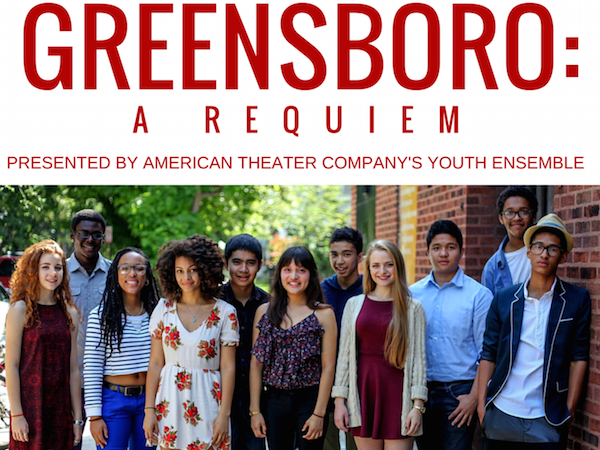
American Theater Company’s Greensboro: A Requiem is an example of the serious, documentary theater created by ATC’s late lamented artist director, P.J. Paparelli. This youth ensemble production presents a play by Emily Mann, which tells the story of a 1979 event in which five protestors were murdered by members of the Ku Klux Klan and the American Nazi party.
Albany Park Theater Project’s Feast, originally mounted in 2010, is a lively, colorful series of scenarios about food in Chicago’s many immigrant communities, presented by a multiethnic group of 25 performers of high school age. Five just finished middle school and four will go on to college in the fall.
Both productions involve the young performers doing additional research to update or recreate the stories (in the case of Feast) or to travel to the scene of the event to interview participants and survivors. In each case, the research served to deepen the actors’ understanding of the issues portrayed in their productions.
Greensboro: A Requiem uses verbatim text from interviews, court transcripts and other documents to describe what happened on November 3, 1979, in the North Carolina city. The Communist Workers Party organized a group of mostly black textile workers to protest the Ku Klux Klan, which was then growing in influence. The protesters had a police permit for their march, but somehow the police conveniently managed to be out to lunch at the time of the march. A caravan of cars loaded with Klan and Nazi party members attacked the marchers and killed five of them.
The 11 Chicago Public High School juniors and seniors do an excellent job of creating the mood and portraying what has become known as the Greensboro massacre and its aftermath. Read about their production in my review here.
You can also read about the ensemble’s Kickstarter campaign that raised money for their travel to Greensboro.
This show runs through August 2 at American Theater Company, 1909 W. Byron. Tickets are free, but reservations are suggested (and a $25 donation will be requested).
Feast is a much less somber production, but underlying the joy of shopping (with a LINK card), cooking, eating and dancing are the real stories of the scarcity of food and its importance in tying the immigrant community to its home traditions. And of course food plays a glorious role in life and in family celebrations. See my review.
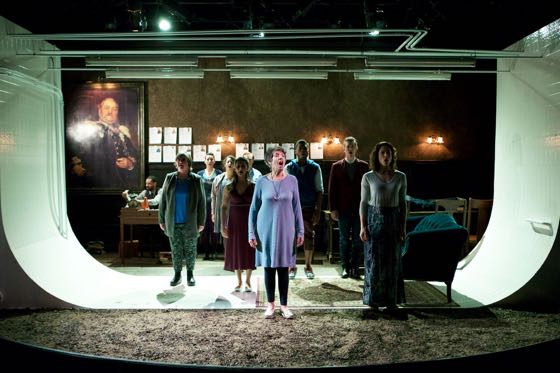
Feast continues in the Goodman’s Owen Theatre through August 16. The circular stage with a runway on each end is a perfect setting for the production. Music and costuming complete an authentic picture of the lives of the many immigrant communities represented.
Both of these productions provide an excellent and thought-provoking evening of theater. They will fill you with optimism about the future of Chicago and American theater.
Date with a diva: Interview with E Faye Butler & other theater news
Posted: July 15, 2015 Filed under: Music, Theater | Tags: Brilliant Adventures, E. Faye Butler, Goodman Theatre, Johnny Cash, Mercury Theater, Ring of Fire: The Music of Johnny Cash, Steep Theatre, Vanya and Sonia and Masha and Spike Leave a commentRecently I reviewed the new Goodman Theatre production of Christopher Durang’s Vanya and Sonia and Masha and Spike, a play with many Chekhovian and other theatrical references. I thought it was very good but regretted the fact that Goodman has been promoting it as a slaphappy summer comedy. That means the audience members think they have to be entertained and therefore find every line absolutely hilarious. As I said in my review:
“Durang’s treatment certainly contains much wit and draws the fine line between comedy and tragedy, but the opening night audience’s raucous laughter throughout both acts weakened the poignancy of the characters’ stories. Really, this isn’t the Marx Brothers.”

The Goodman publicity team was offering actor interviews and I was asked if I would like to interview one of the lead actors. After seeing the play, I said, “No, I want to interview the actor who played Cassandra. I want to hear her story about how she created her character.” And so one morning last week, I went back to the Goodman Theatre with my tape recorder (my iPhone actually) and a set of questions to ask E. Faye Butler.
I don’t do interviews often, because they’re time consuming and can end up being bland if the subject is afraid of sounding undignified. But E Faye was fabulous. She’s a classically trained actor who also sings and has a powerful voice and a magnetic persona. She is smart, articulate and funny and was absolutely the best interview I’ve done. Turning her recorded interview into an interesting story was easy. At least I think it’s interesting and I hope you do.
Here’s my date with the diva. My reviews of VSMS also appeared here and here.
Review: Brilliant Adventures at Steep Theatre
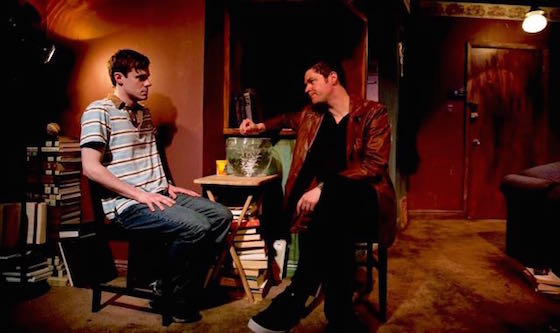 Last week I reviewed the new gritty British drama at Steep Theatre. It’s a US premiere of a play by Alistair McDowall, a new English playwright. Excellent play, directed by Robin Witt, with a group of six fine actors. The fascinating thing about Brilliant Adventures is that it starts out like one of those 1970s British working class films, but then devolves into sci-fi and fantasy. Really, it’s fascinating and it works.
As I said in my review, “It is a deeply classist play that explores the lives of those who live in Middlesbrough, a failed industrial city on the River Tees in northeast England.” The Steep playbill and the lobby exhibits do a good job of acquainting you with the environment and language of Middlesbrough.
Brilliant Adventures is an outstanding two hours of theater and I recommend it. You can see it through August 15. Steep is located on Berwyn, just east of the Berwyn Red Line station. You can also see my review here.
Review: Ring of Fire at the Mercury Theatre
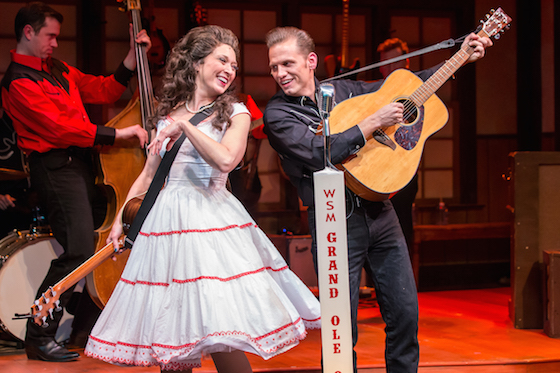 I also had a chance to review the Johnny Cash musical tribute in its extension through the end of August. (I missed it when it first opened this spring.) I went with friends who are music lovers like me and fans of rock, blues, bluegrass and country). June Sawyers has written dozens of books about music and musicians. It was a treat to see the show with two music fans and discuss the music at intermission and afterwards.
We all agreed it’s a great piece of entertainment but we thought it lacked the depth that the tortured story of Johnny Cash’s life would have added. But no, it’s strictly a jukebox musical with about 30 songs by Cash and other songwriters performed by a talented group of seven musicians.
Here’s a song from the show that was often performed by Johnny Cash but it was written by Geoff Mack (an Australian) and Hank Snow (who wrote the North American lyrics). I describe the lyrics as a tongue-twister travel itinerary. This is a Hank Snow version from 1965.
The Mercury Theatre is a comfortable venue with an excellent sound system. Ring of Fire is a pleasant evening of entertainment in the same way that Million Dollar Quartet is. But even that play is built around some narrative elements.
My Gapers Block review is posted now. You can read it here.
Celebrate the week by going to the theater: Three reviews
Posted: June 27, 2015 Filed under: Theater | Tags: All Our Tragic, Chicago Dramatists, Moby Dick, Scene Shop Showcase, The Who and the What 2 CommentsCelebrations are in order! This is a landmark week for all Americans, especially those who might want to choose their own home or their own life partners without discrimination or for those who might ever get sick and need health care. Like, all of us.
To celebrate, you might want to go to the theater. And I have some recommendations.
Moby Dick at Lookingglass Theatre
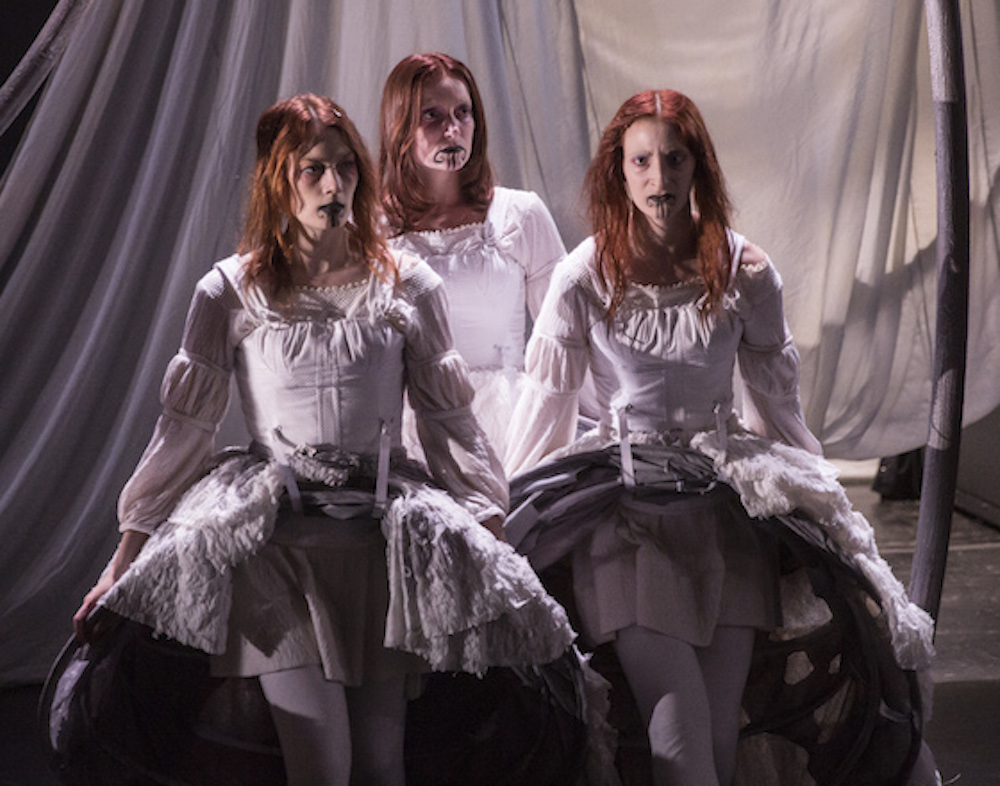
Three Fates, as dead fish
I have seen the legend of the great white whale in many forms on stage and screen and read the book twice (once in college). The new production of Moby Dick at Lookingglass is one of the best, perhaps the best, I’ve seen. The staging is very creative and the acting is excellent. Most important, director David Catlin’s script, which he adapted from Herman Melville’s novel, is strong and cohesive and manages to tell the whole story economically. The source of Captain Ahab’s monomaniacal hatred of Moby Dick, the habits and practices of the crew of a whaling ship, and even what life is like at sea. The friendship between Ishmael and Queequeg is sensitively told and the characters of Ahab and Starbuck take on reality.
My Gapers Block review also noted some of the other recent Moby Dick portrayals. I gave the play four stars, a “highly recommended” review. It runs two-and-three-quarter hours with two intermissions. It’s been extended and you can see it through August 28.

The Who and the What at Victory Gardens
This is a smart, funny play about a conservative Pakistani-American family and their attempts to come to grips with modern realities. Father Afzal is a widower, still grieving the loss of his wife and trying to do what’s best for his two daughters. Zarina, the older sister, past 30 and unmarried, is writing a novel about “gender politics.” If she gets over her writer’s block, the story she tells will be explosive in their conservative community. Ron O J Parsons, the director, has crafted a thought-provoking and moving play. Here’s my review. (Link added 6/29/15.)
The Who and the What, by Ayad Akhtar, runs just under two hours with one intermission. It continues at Victory Gardens through July 12.
All Our Tragic at The Hypocrites
The Hypocrites have remounted their compilation of all 32 extant Greek tragedies by Aeschylus, Euripides and Sophocles, deftly adapted by Sean Graney. It’s funny, poignant, slapstick, bloody … and really, it’s a theatrical experience not to be missed. You can binge on the 12-hour experience—but think of it as nine hours of theater and many food and relaxation breaks. I reviewed it last year.
All Our Tragic runs Saturdays and Sundays through August 9.
And also …. Chicago Dramatists Scene Shop Showcase
I recently had the opportunity to attend the Scene Shop Showcase that Chicago Dramatists holds twice a year to give a glimpse at new plays in progress. Scenes (about 10 minutes each) were shown from 10 plays by 10 playwrights. Chicago Dramatists is “the playwrights’ theatre” and they offer playwriting classes and present new plays in their Saturday Series of readings.
My friend Debbie Dodge invited me to attend the showcase. Her scene, “Ashes to Ashes,” was about siblings deciding how to handle a parent’s ashes. “Cut: A Restoration Drama,” by Brenda Kilianski, raised the circumcision question and controversially compared it to female genital mutilation. It’s amazing how much drama can be packed into 10 minutes.
The scenes are staged readings with some props and blocking. Many of the playwrights, actors and directors are Equity members. The scenes were performed on the Chicago Dramatists’ main stage, which was set for the show then in production.
The next Scene Shop Showcase will be in December. It’s open to the public and the cost is a suggested $5 donation.
Stage and screen reviews + a little rock ‘n’ roll
Posted: May 27, 2015 Filed under: Movies, Rock and roll, Theater Leave a commentIs it my imagination or is the arts world slowing down a little, in preparation for the summer? Maybe it’s my own lethargy but I’ve seen fewer plays recently. However, I have some excellent recommendations for you, in case you’re looking for something to do this weekend.
ATC: The Project(s)
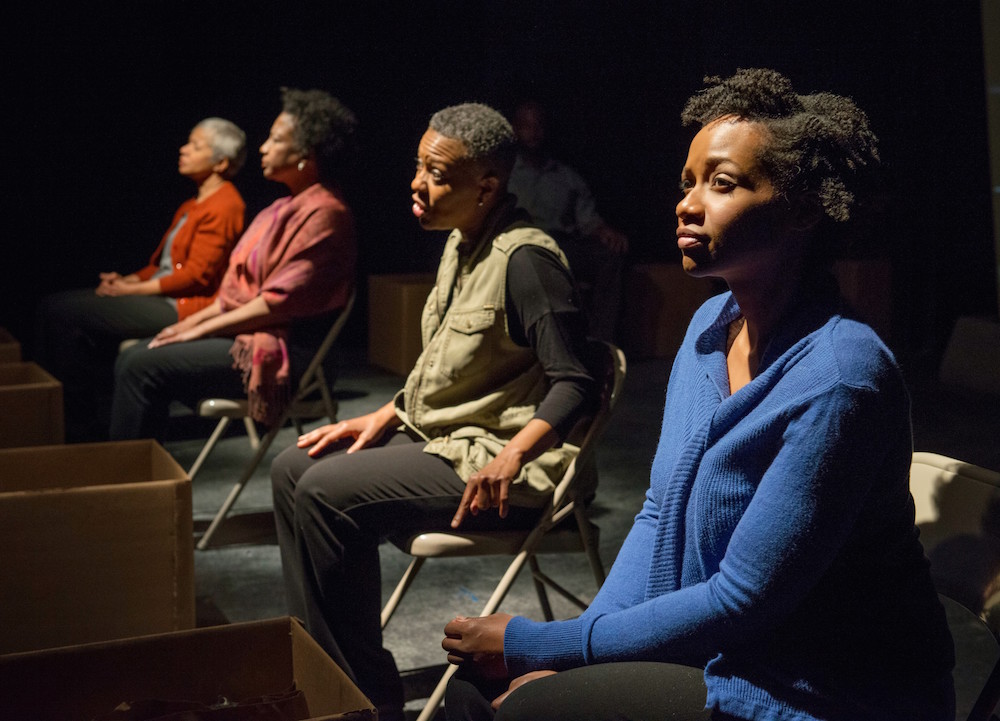 American Theater Company’s The Project(s) is a sad and celebratory docudrama about public housing in Chicago. Writer/director P.J. Paparelli interviewed more than 100 past and present residents of Chicago public housing as well as scholars and public officials. The cast and the performance are outstanding and although the story does not end happily, it illustrates how residents in the CHA projects built communities for themselves. The 2.5 hour play (two intermissions) has been extended to June 21. Read my review.
It’s important to note that Paparelli, 40-year-old artistic director and inspiration behind many of ATC’s great productions, was killed in a car accident in Scotland last week. It’s a huge loss for Chicago theater.
Timeline: Inana
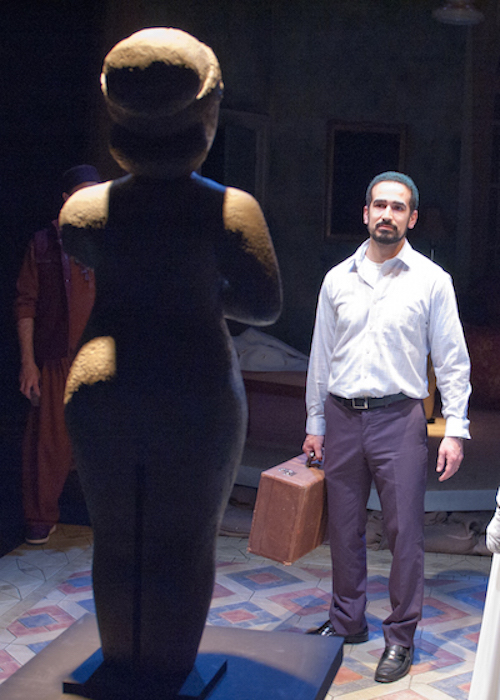 Timeline Theatre creates a little bit of London and adds a backstory in Mosul, Iraq, in its new play Inana by Michele Lowe. The story, set in February 2003, is about a museum curator who wants to protect the art and culture of his institution from the looming U.S. invasion. Inana is a 3000-year-old statue of the goddess of love and war; the statue was damaged in an earlier attack. As I said in my review, Inana reminds us that sometimes Americans are the barbarians at the gates. The 90-minute play runs through July 26.
AstonRep: Les Liaisons Dangereuses
This play was adapted from an 18th century French novel that displayed the decadence and arrogance of the aristocracy just before the 1789 Revolution. AstonRep made a gutsy move in taking it on and for the most part, it’s a decent production in the smaller space at Raven Theater. However, the director for some reason decided to set it in 1917 Russia, before that revolution. On the surface, that could add an interesting political twist to the production, except the execution wasn’t carried out very well. It’s still 18th century France in costuming and setting with a few Russian touches. Here’s my review, which notes the memorable 1988 film, Dangerous Liaisons starring John Malkovich, from the same literary source. The AstonRep show runs until June 21.
One lovely film: Clouds of Sils Maria (2014, 124 minutes)
Clouds is an interesting, complex and beautifully filmed story about art, aging and celebrity. Olivier Assayas directs this film, which stars Juliette Binoche and Kristen Stewart. Here’s my mini-review on Letterboxd. Yorick Le Saux’s cinematography of the Swiss Alps is incredibly beautiful. I gave it four stars out of five. It’s in theaters now.
Kafkaesque comedy by Martin Scorcese: After Hours (1985, 97 minutes)
After Hours is 12 nightmare hours in the life of Paul, a word-processor in 1980s New York. Paul’s interest in getting acquainted with a pretty girl in Soho turns into a nightlong quest to just get home. His $20 bill blows out a taxi window, then he can’t take the subway because the fare increased an hour ago. He’s seduced by women, taken for a burglar, chased through the streets by a mob, and encased in a paper-mache sculpture. Is it Kafkaesque? Yes and it’s hilariously funny. It has a film noir quality too. It’s available on DVD.
The hardest working musician….
As I write this, I’m listening to and half watching a June 2009 Bruce Springsteen concert, London Calling: Live in Hyde Park in London. It’s relevant here (but when isn’t Springsteen relevant?) because his music celebrates and mourns for the working class (and he’s the hardest working musician I know). When Bruce comes out on stage in the afternoon in bright sunlight, he’s wearing a light gray-green shirt with jeans and motorcycle boots. By the time he’s singing “Night” (“you work 9 to 5 and somehow you survive until the night”), the third song on the setlist, his shirt is dark with sweat all around his arms and shoulders.
Three songs later, he’s singing “Johnny 99” (a guy who loses his job and gets in bad trouble), and now his shirt is half dark and half light and his hair is soaked with sweat. (If you’ve never seen a Springsteen concert, I have to tell you that he doesn’t just stand in front of a microphone and sing. He’s all over the stage, down on the platform in front of the crowd in the pit. Sometimes he does a backbend off the microphone and at least once he jumps up on the piano to dance. And by the ninth song, “Youngstown,” a labor anthem, the shirt is fully soaked and dark with sweat and it’s dusk at Hyde Park.
But he’s only one-third through the concert, which goes on for hours more. The DVD is almost three hours but he performed for much longer. You can get a feeling for the flow of the concert and the madness of a Springsteen crowd from this trailer. (The guy who joins him near the end for “No Surrender” is Brian Fallon of Gaslight Anthem.)
The power of performance in two Lillian Hellman plays
Posted: May 20, 2015 Filed under: Politics, Theater, Writers & writing | Tags: Goodman Theatre, John Brown's Body, Lillian Hellman, Stephen Vincent Benet 2 CommentsLast week I saw two masterpieces of 20th century theater by Lillian Hellman, the great playwright and leftwing political activist. (I‘m a fan on both counts.) The two shows were extremely different in production values but demonstrated the power of performance.
Goodman Theatre image.
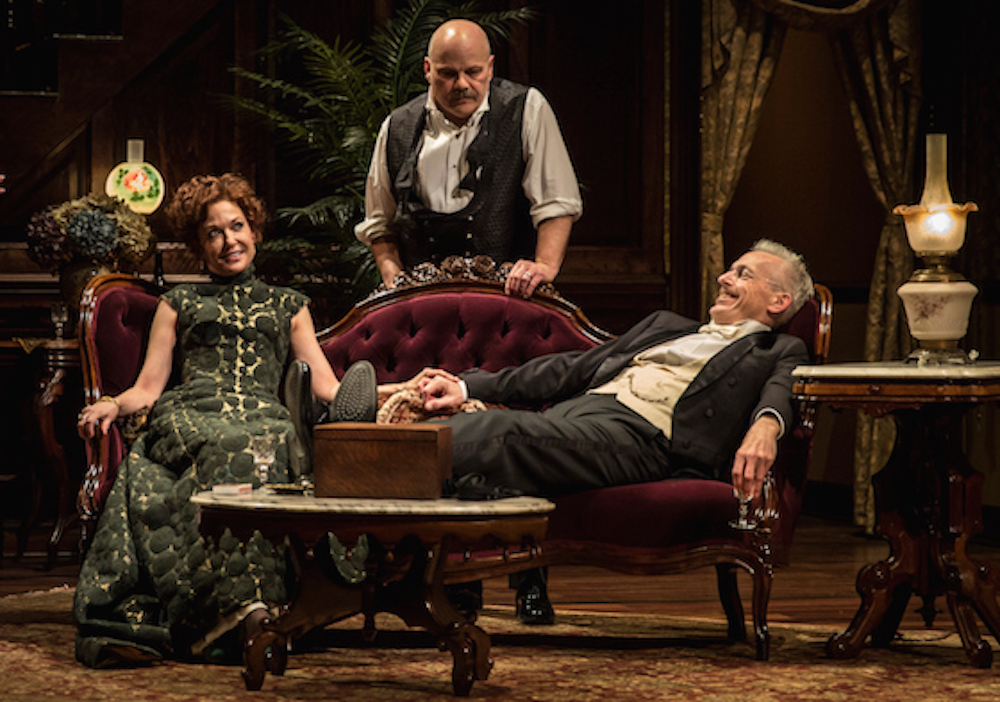
I attended Goodman Theatre’s The Little Foxes on opening night and reviewed it for Gapers Block. (My review also appears on culturevulture.net and berkshirefinearts.com, by the way.) It was an excellent production with a sumptuous set and gorgeous, richly detailed costuming, especially the women’s gowns. As I said in my review, the production “stars a galaxy of Chicago’s finest actors and surely resonates with some of the current discussions about racism, sexism, domestic abuse and income inequality.”
The venal Hubbard siblings (Regina, Oscar and Ben) who fight over the family legacy and the spoils of a new cotton mill are played by Shannon Cochran, Steve Pickering and Larry Yando. John Judd plays Horace, Regina’s husband, and Mary Beth Fisher plays Oscar’s sweet and abused wife Birdie. The rest of the cast is equally excellent. The nearly three-hour play (with two intermissions) is not only a visual treat; it’s gripping from beginning to end.
On Saturday afternoon, the Goodman presented an amazing one-time only event; a free performance of a reading of Hellman’s Another Part of the Forest, the prequel to The Little Foxes, which is set in 1900 and was first produced in 1939. Another Part of the Forest is set in 1880 and was written in 1946. Both are set in a town in rural Alabama and are based on Hellman’s own family story.
Courtesy Wikimedia.
The reading was held in a rehearsal room on the second floor of the theater and held probably 60 or 70 seats at the most. (Needless to say, it was a capacity crowd.)
It was a plain vanilla reading, not a staged reading where there is some blocking and action. The actors all had their scripts on paper and usually stood at music stands at the front of the stage area. When they weren’t reading, they sat on folding chairs at the rear.
The most significant thing about the reading is that the 12-member cast was fully equivalent to that in the fully staged production. The acting was superb with attention to accents, vocal intonations, gestures and expressions. Some of Chicago’s finest actors were here too (none of them from the cast of The Little Foxes). Deanna Dunagan (you saw her as the mother in August: Osage County) plays Lavinia Hubbard, the siblings’ mother, whose fading memory comes through in the end. The always superb Larry Neumann Jr. read the part of Marcus Hubbard, the father who made a lot of money during the recent war, trading with the enemy (the Union forces). That’s the real source of the siblings’ later wealth. Neumann is one of those character actors who you’ve seen many times. He played the doctor in the legendary Famous Door production of the two-part Cider House Rules, Richard Nickel in Lookingglass’ production of They All Fell Down: The Richard Nickel Story; and Samuel Finkelbaum in Writers Theatre’s The Puppetmaster of Lodz.
John Hoogenakker gave an excellent reading as Ben, the younger version of the character played by Larry Yando. (You may have seen Hoogenakker on TV in Chicago Fire or Empire or in Goodman’s The Iceman Cometh or Other Desert Cities. Steppenwolf’s Tim Hopper (Marie Antoinette, The Night Alive, Russian Transport) played John Bagtry, Birdie’s brother and the young Regina’s sweetheart.
I thought perhaps Goodman would abbreviate Another Part of the Forest, but no, the full script was performed: almost three hours with two intermissions. The story was gripping from beginning to end and proved that great actors make you forget what they’re wearing or what the scenery behind them looks like.
The Little Foxes continues at the Goodman Theatre until June 7. Sorry you missed the prequel. Also you can find 1940s film versions of both plays.
Lillian Hellman’s South—It’s really about the economy
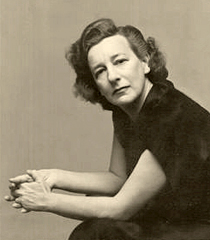
Image courtesy southernliterarytraiil.org.
Hellman based these two plays on the stories of her southern family, so there are some economic parallels. My published review of The Little Foxes emphasizes the economic aspects of the story, which make the play richer than just a family melodrama, as it’s usually characterized. I wrote:
Hellman’s play is set in 1900 “when the South was dying after the failure of Reconstruction, whose planners had hoped that the region would turn into a new industrial power. That didn’t happen. (In fact, slavery was detrimental to the southern economy. It inhibited manufacturing and technological innovation as well as the growth of cities.) And Hellman wrote the play in 1939 when the impact of the Depression on people and society was much on the mind of Hellman and her audience members.”
Now I’m not an economist, but I do have one on call. However, as a resource here I’m going to call on a poet instead. Stephen Vincent Benet wrote John Brown’s Body, the stirring book-length verse narrative of the Civil War (or the War Between the States, as the Hubbards would call it). Benet’s poem, published in 1927, characterizes the war as preparing the South for its future as part of industrial America, but his prediction is about 75 years off. After 372 pages of the romantic saga of the war, its soldiers, victims, fictional characters, and Abraham Lincoln’s death, Benet wrote this in his optimistic conclusion:
John Brown’s body lies a-mouldering in the grave.
Bury the South together with this man,
Bury the bygone South.
Bury the minstrel with the honey mouth,
Bury the unmachined, the planters’ pride,
Bury the whip, bury the branding bars,
….
And with these things, bury the purple dream
Of the America we have not been,
The last foray of aristocracy
Based not on dollars or initiative
Or any blood for what the blood was worth
But on a certain code, a manner of birth.
….
Out of his body grows revolving steel,
Out of his body grows the spinning wheel,
Made up of wheels, the new, mechanic birth
No longer bound by toil
To the unsparing soil
….
Out of John Brown’s strong sinews the tall skyscrapers grow,
Out of his heart the chanting buildings rise,
Rivet and girder, motor and dynamo,
Pillar of smoke by day and fire by night,
The steel-faced cities reaching at the skies,
The whole enormous and rotating cage
Hung with hard jewels of electric light….
Benet’s book won the Pulitzer Prize in 1929. It’s not really great literature, because it’s rather uneven and not a little melodramatic. But it’s a great way to read the Civil War story. The book is out of print, but you can buy copies online.
Theater treats in Chicago: Six mini-reviews
Posted: May 8, 2015 Filed under: Theater | Tags: American Blues Theater, Chicago Dramatists, Signal Ensemble Theatre, Steppenwolf Theatre, Teatro Vista, The Hypocrites Leave a commentGoing to the theater is a treat that never grows old for me. Here are some of the plays I’ve seen recently, most of which were excellent.
The Drowning Girls at Signal Ensemble Theatre
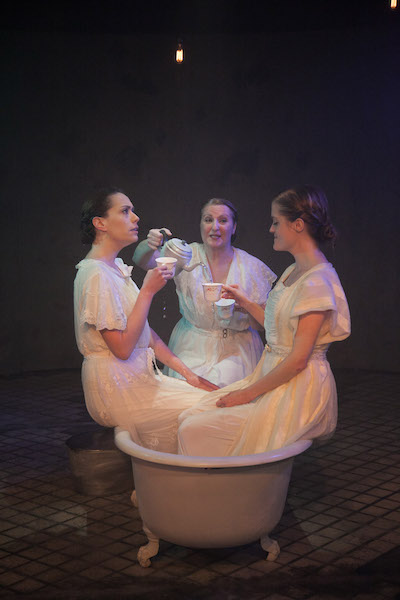 This is a captivating production and a perfect example of the rich quality of Chicago storefront theater. Great direction, great acting, great staging. It’s a 70-minute play and you will enjoy every minute. Here’s how my review begins:
“The stage is set. Three claw-footed bathtubs. The kind your grandmother had. Props: Three scrub buckets, newspapers and a tea set. Costumes: Bridal gowns and veils, usually sopping wet.
“If this doesn’t sound like a promising start for a night at the theater, The Drowning Girls at Signal Ensemble Theatre will quickly change your mind. The play is a beautifully performed, balletic story of an English serial killer in the 19th century, who swindled from and then drowned his three wives. Actually, it’s the entrancing story of the three wives, who perform all the parts in the play from the brides submerged in their tubs to the husband(s), parents, lawyers, judge, reporters and scrubwomen.”
You can see The Drowning Girls through June 6. Signal is at 1802 W. Berenice, near the intersection of Irving Park and Ravenswood. See my review for details.
Three Sisters at The Hypocrites
Anton Chekhov’s Three Sisters gets an excellent production from the always-interesting Hypocrites. It’s a fairly traditional staging except the color palette is used in a very inventive way. Director Geoff Button adapted the script to use more contemporary language without trivializing it. My review describes the story this way:
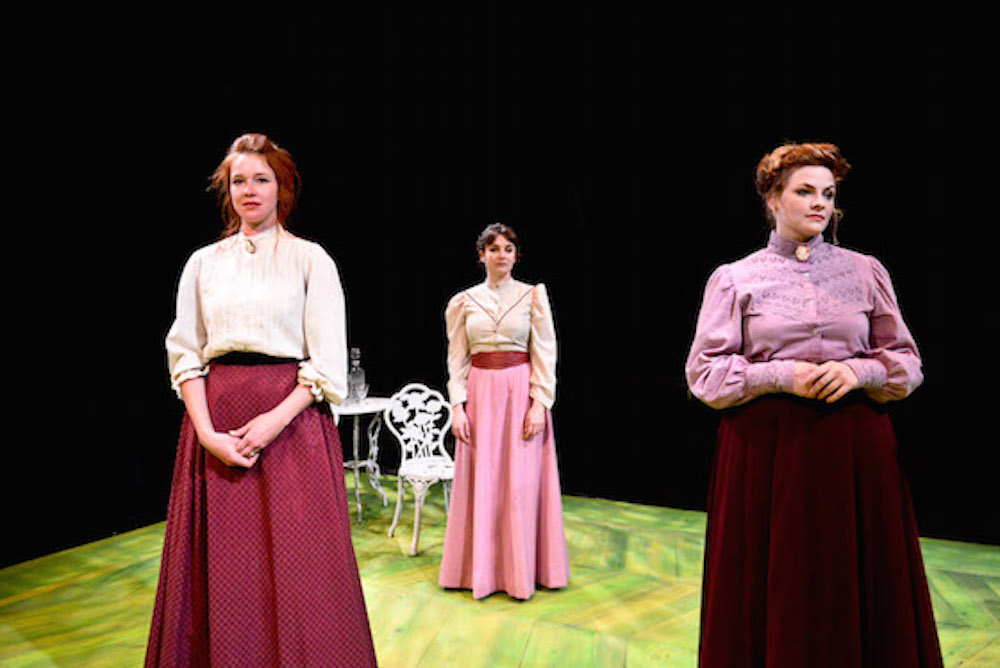 “The eponymous Prosorov sisters lead the excellent 14-person cast in a story that progresses over several years in a provincial Russian town at the turn of the 20th century. The sisters, all in their 20s, yearn to move back to Moscow, which they left 11 years ago when their father assumed the command of a brigade in the rural area. Now their father is dead and the town (and their social life) is dominated by the presence of the military base and its officers.”
The play is 2 hours, 20 minutes, and runs through June 6 in the Hypocrites’ new space at the Den Theatre on Milwaukee Avenue in Wicker Park.
Side Man at American Blues Theater
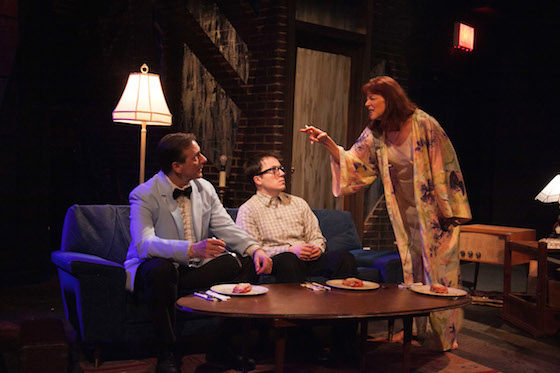 This is a fine production of Warren Leight’s Tony-award winning play, Side Man. It was first produced at Steppenwolf in the 1999-2000 season and I tried to keep that excellent production out of my thoughts and not let it affect my review of this production. This is a memory play about the jazz musicians—trumpet players—who were riding high in the 1940s and ‘50s before the rise of rock and roll. The story focuses on the career and family of one particular side man. His son takes us back and forth in time from the moment his parents met through their present difficult period.
Side Man runs two hours and continues through May 24 at American Blues Theater, staged at the Greenhouse Theater Center on Lincoln Avenue. There’s live jazz played on stage before the performance begins.
Between You, Me and the Lampshade at Teatro Vista
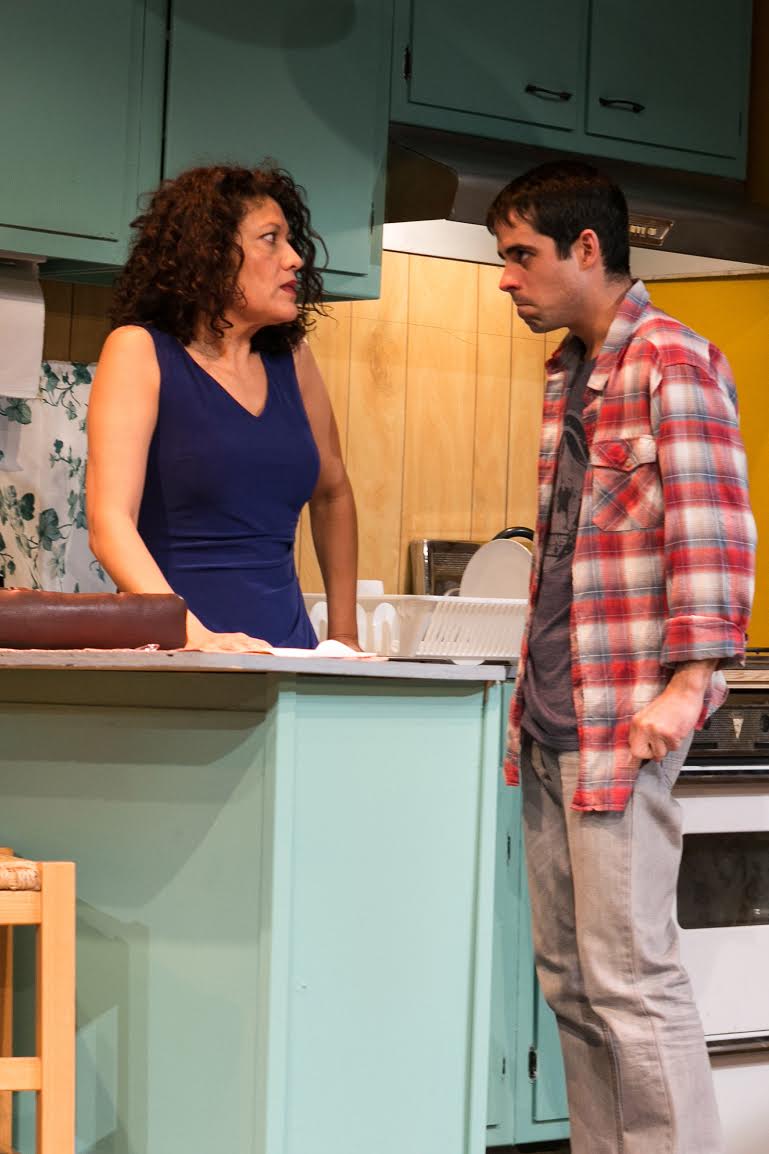 This new play about immigration and family issues by Raul Castillo runs through this Sunday at Victory Gardens/Biograph Richard Christiansen Theater (the upstairs space at VG). The 100-minute play (with one intermission) is well written with lively dialogue. My Gapers Block review says:
“Between You, Me and the Lampshade is an entertaining and poignant story told by an excellent cast under the capable direction of artistic director Ricardo Gutierrez. Original music and sound design by Victoria Deiorio create an authentic sound landscape for the story. Jose Manuel Diaz-Soto’s scene design is very much an aging trailer interior, including the turquoise kitchen.”
I recommend it. Take Mom on Sunday. Or take yourself.
Ghost Gardens at Chicago Dramatists
Ghost Gardens, a new play by Steven Simoncic, explores “how people in a dying community fight to overcome grief, illness, hopelessness, and air poisoned by a giant local corporation.” The play, set in Detroit, has certain charms and a couple of good performances, but it can’t overcome the fact that the script is rambling and disjointed. I wish I could recommend it. My Gapers Block review is here.
Ghost Gardens continues through May 31 at Chicago Dramatists on Chicago Avenue near Milwaukee.
The Herd at Steppenwolf Theatre Company
The Herd by Rory Kinnear is a story about several generations of an English suburban family who have a severely disabled child. The play looks at how different generations deal with the issues of parenthood and disability. Frank Galati directs an excellent cast of mostly Steppenwolf ensemble members, including John Mahoney, Lois Smith, Molly Regan and Francis Guinan. The writing is witty and tender and gets to the heart of these family matters. I didn’t review this, but you can check out other reviews here.
Running time for The Herd is 100 minutes. You can see it—and you should—until June 7.
Reviews from the Chicago theater scene: The good and not so good
Posted: April 11, 2015 Filed under: Theater | Tags: Court Theatre, End Days, Goodman Theatre, La Bete, Remy Bumppo Theatre, The Good Book, The Upstairs Concierge, Trap Door Theatre, Travesties, Windy City Playhouse 1 CommentIt’s been a busy theater week for me. I’ve seen two excellent plays, one very good one and two others that need work.
Tom Stoppard’s Travesties at Remy Bumppo Theatre
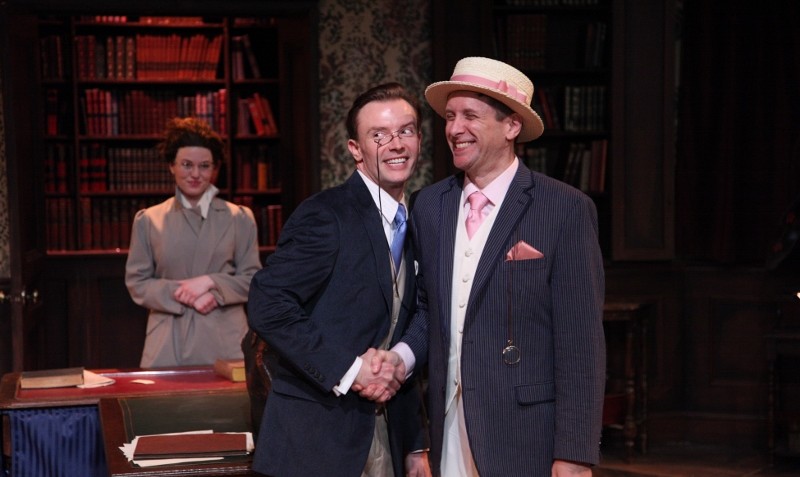 Remy Bumppo performs excellent work on its second floor mainstage at the Greenhouse Theater Center. Their production of Stoppard’s Travesties is simply brilliant and I recommend it strongly. The premise is that there is a moment in time when James Joyce, Tristan Tzara and Vladimir Lenin were all in Zurich, Switzerland. It’s also a moment when the world is on the brink of change. Europe is at war, revolutions loom, and decades of other wars are ahead. The era of modernism in art and culture is emerging, represented by the novels of Joyce (especially Ulysses) and the deconstructionist poetry of Tzara, the founder of the Dadaist movement. Lenin sits in the Zurich Public Library, writing and waiting.
These three geniuses may or may not have met and conversed or debated in Zurich at that time, but no matter, Stoppard makes the premise work. The character who holds the plot together is Henry Carr, an English diplomat with a substantial ego and insubstantial intellect.
Nick Sandys’ direction is spot on. The dialogue is dazzling, the entire cast is excellent, and the costuming is ravishing. Travesties runs until May 2; don’t miss it. You may see me there again.
My review in Gapers Block has also been posted on culturevulture.net and on berkshirefinearts.com.
End Days by Deborah Zoe Laufer at the Windy City Playhouse
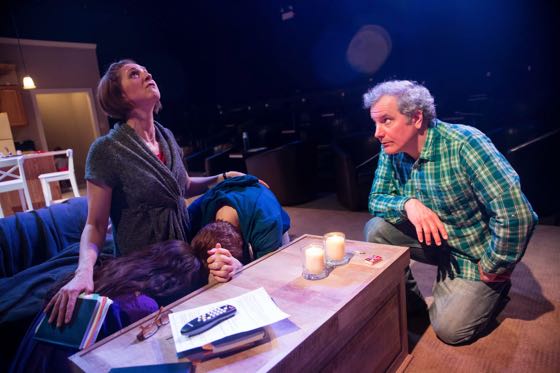 Yes, End Days is about the biblical belief in the end of days, but don’t worry, it doesn’t happen. And the story is much broader than the one character who thinks the world will end on Wednesday. (Yes, she is followed around by Jesus, but . . . no, never mind.) The script is well written and the cast is very good. The production is entertaining and thought-provoking. Direction by Henry Godinez makes all the parts gel.
The best reason to see this play is to visit this new theater venue in the Irving Park neighborhood (3014 W Irving Park Rd). End Days is the first production for the Windy City Playhouse, a theater space with an excellent bar and lobby, and best of all, super-comfy seating. Really, seating is not the only reason to go but it certainly adds to the theater experience.
See my Gapers Block review of End Days and read more about the theater itself. End Days runs through Apr 26. I’m looking forward to their next production.
La Bête by David Hirson at Trap Door Theatre
 The talented Trap Door troupe does a fabulous job with this witty satire of theater, commerce and mediocrity. La Bête was first produced on Broadway in 1991—running 25 performances before closing. It was revived successfully in 2010 and then transferred to London.
The scene is 17th century Paris and involves the competition at court between the playwright Elomire (an anagram for Moliere) and a verbose newcomer actor/playwright named Valere. The script is written in rhyming couplets and the cast knows how to deliver the lines, thanks to superb direction by Kay Martinovich. Kevin Cox as Valere is simply outstanding. His electrifying act-one monologue is one of the treats of this theater season.
Some of Trap Door’s productions are minimal in design but the costuming and makeup in La Bête is lavish.
La Bête runs two hours, including one intermission, and you will enjoy every minute of the wordplay. It has just been extended to May 2. The tickets are cheap ($10 plus a small fee). Trap Door is located on Cortland and Paulina in Bucktown, at what was the very northern edge of the city at the time of the Great Fire of 1871. Just walk down that narrow gangway to a great theater experience. And put a few bucks in the actors’ box because these performers work for nothing. And that’s a travesty.
The Upstairs Concierge by Kristoffer Diaz at Goodman Theatre
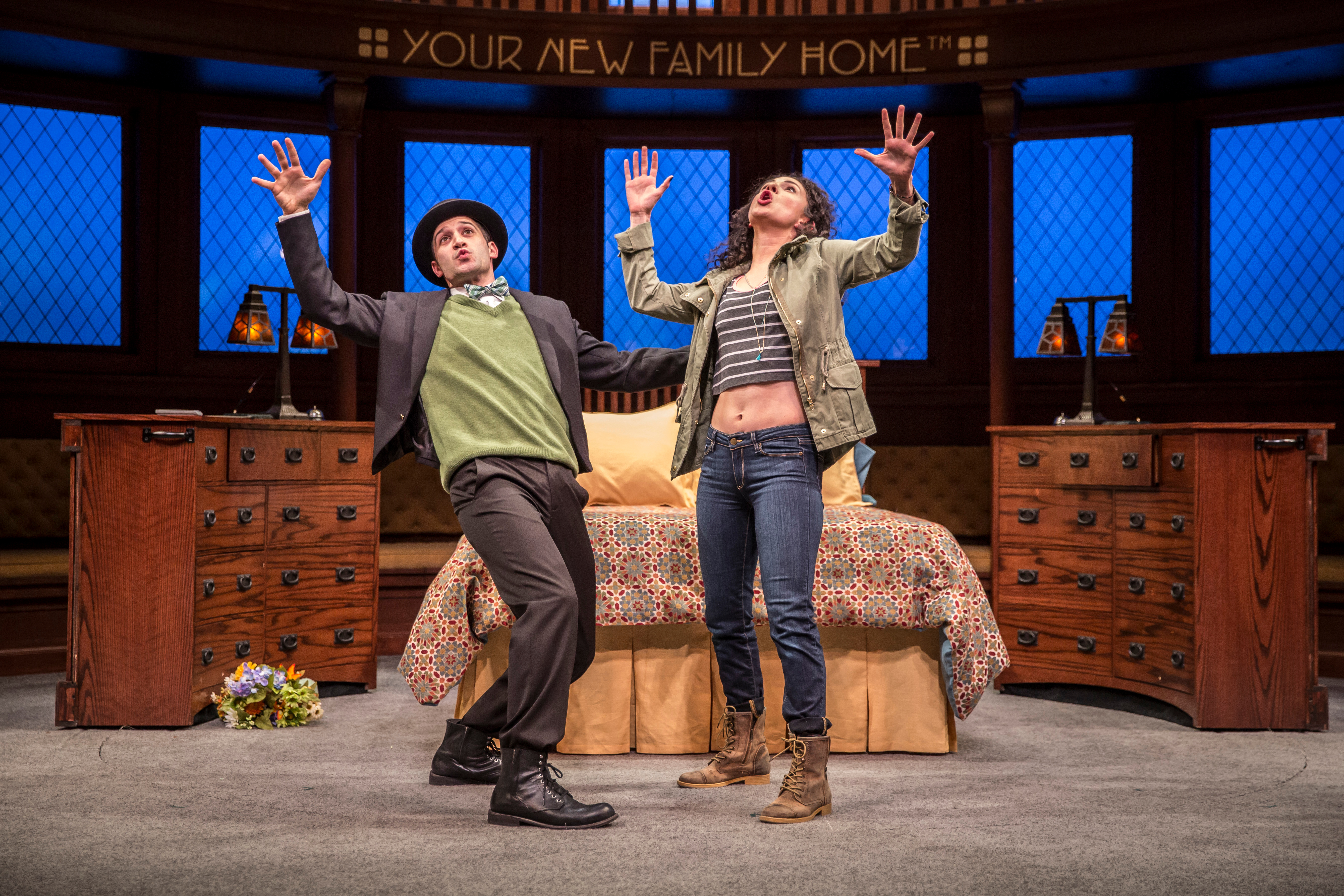 After describing a theater company that does brilliant work on pennies, we come to a well-funded theater company that puts on lavish productions that are turkeys. That would be Goodman Theatre and although Goodman’s productions often are excellent, they are capable of wasting a lot of money that would have funded several storefront theaters.
The Upstairs Concierge is a perfect example. The set is beautiful. The production has been workshopped and fussed over for several years, but the script is dreadful. As I said in my Gapers Block review, “The Upstairs Concierge is a farce but the witty part is missing.” My review generously gave it two stars* (Somewhat Recommended) but other reviewers gave it one star (Not Recommended). See it at your peril.
* The websites I write for don’t use stars, although the two Chicago dailies do. Theatreinchicago.com, a website that compiles reviews and information for Chicago-area productions, uses a rating system, so my reviews appear there with a rating based on a one-to-four star system or Not Recommended to Highly Recommended.
The Good Book by Denis O’Hare and Lisa Peterson at Court Theatre
This is the same playwriting team that created the masterful An Iliad, which Court mounted twice and I found epic and moving both times. This play is an ambitious attempt to explore the roots of the Bible, its authors, sources and gender issues. It also threads two contemporary stories through the overly long performance.
The production has received mixed reviews, from somewhat to highly recommended. The friends I attended with liked the play better than I did. I felt the parts did not hold together well and one of the modern threads would have been better eliminated. One story is that of a nonbeliever, a biblical scholar and professor played by Hollis Resnik. The other is about a teenager played by Alex Weisman, committed to becoming a priest, who over time discovers that he’s gay and comes to grips with both his faith and his sexuality. The two stories don’t mesh and the latter story, in particular, doesn’t relate to the overall ambition of exploring the roots of the bible.
The Good Book runs through April 19 at Court Theatre. I didn’t review it, but check out the reviews here and decide for yourself if you want to see it.
And also….
In March, I saw The Apple Family Plays: Sorry and The Hopey Changey Thing by Richard Nelson. These two plays are running in repertory at Timeline Theatre through April 19. They’re both well written and performed. The plays are about politics and family but the underlying theme in both is deciding how to deal with an aging relative who may not be able to live at home much longer. The second play is particularly sad as they come to grips with the issue. It is a chance to see Chicago’s fine actor, Mike Nussbaum, on stage. At 91, he’s a dynamic performer.
All photos courtesy of the theater companies.
Feasting on drama & lit in Tennessee Williams’ New Orleans
Posted: March 31, 2015 Filed under: Theater, Writers & writing | Tags: American Theatre Critics Association, ATCA2015, Tennessee Williams, Tennessee Williams New Orleans Literary Festival Leave a commentTennessee Williams, one of our greatest 20th century playwrights*, moved to New Orleans in 1939 and spent time there off and on for much of his life. The funky, colorful, bohemian spirit of NOLA suited Williams’ lifestyle, once he overcame the rigidity and religious upbringing of his family. John Lahr details Williams’ life and work in his biography, Tennessee Williams: Mad Pilgrimage of the Flesh, which I wrote about last fall.
*I would have said “the greatest,” but Eugene O’Neill and Arthur Miller also belong in the greatest category.
Last week the American Theatre Critics Association met in New Orleans and our five-day agenda included many forays into the New Orleans that Williams loved. The 29th annual Tennessee Williams New Orleans Literary Festival was being held at the same time, so we participated in some of the many events. Our hotel was conveniently located at the edge of the French Quarter, so we walked to many venues.
Williams, of course, in known for such iconic plays as The Glass Menagerie, A Streetcar Named Desire, Cat on a Hot Tin Roof, Sweet Bird of Youth, The Rose Tattoo, Night of the Iguana, Summer and Smoke, Camino Real, and Vieux Carré. But you may not know that he wrote dozens of other plays, both long and short, teleplays and screenplays, novels, poems, and letters. Hundreds of letters. Lahr says Williams was a compulsive writer. He stayed sane by writing.
One rainy afternoon, we walked through the French Quarter to the historic Hermann-Grima house to see four of Williams’ “hotel plays.” He often set plays in hotel rooms and boarding houses, which he considered “way stations between life and death.” Each play took place in a single room, with 25 or 30 of us gathered around—and sometimes on the “set.” I asked one of the actors later if he found it distracting to have to walk over an audience member during a monologue but he said, “no, I’m used to it and it doesn’t bother me.” The plays performed were:
- The Last of My Solid Gold Watches, about Mr. Charlie, an aging traveling shoe salesman, “the last of the Delta drummers.”
- Lord Byron’s Love Letter, in which two midwestern tourists visit a spinster’s historic southern home. It seems she has inherited a love letter written by Lord Byron to her grandmother and she finally agrees to read it. Actor Christine McMurdo-Wallis handles this reading exquisitely (as she does several other roles during the festival).
- Lady of Larkspur Lotion and Mister Paradise, two short plays performed back to back in a larger room. The first play features Mrs. Wire, the boarding house landlady who appears later in Vieux Carré. Mister Paradise, a poet who appears in both plays, prefers to avoid the limelight despite the protestations of an admiring young woman.
There were dramatic and musical intervals between the plays, as audience groups moved up and down stairs, from space to space. Clyde Shelby, a talented pianist, played for us in the first floor corridor and the Lagniappe Brass Band also performed.
A Friday night treat was Blue Devils and Better Angels, Tennessee Williams Tribute Reading held in a tented space at the old Ursulines convent in the French Quarter. It was a perfect space for this series of readings from and about Williams by actors and writers including director John Waters, playwright John Patrick Shanley (who read from his upcoming play, Prodigal Son), British thriller writer Rebecca Chance, and “Ask Amy” columnist Amy Dickinson.
Southern Rep Theatre, one of the few Equity companies in New Orleans, is staging Williams’ Suddenly Last Summer at the Ashé Powerhouse, a renovated venue in the old Jewish neighborhood. We saw the production Saturday afternoon. The performance was marred by poor sound quality (abetted by the constant hum of the AC system) but it was staged beautifully. The dramatic monologue by Catherine (played by Beth Bartley) about her cousin Sebastian’s shockingly bloody death was very well done.
That evening, we walked over to the Monteleone Hotel, just around the corner from our hotel, to see a reading of I Never Get Dressed Till After Dark on Sundays, part of the TWNOLF schedule. This Williams one-act contains fragments that evolved into Vieux Carré, a 1973 play that Raven Theatre produced so memorably last year. This short play involves two ongoing arguments. Jane, a former Yankee society girl, and her boyfriend Tye, a stripjoint barker with an easy manner that attracts ladies, argue about their life together and apart. And the director, writer and stage manager bicker comically about the development of the script. The play is a bit disjointed but it helped to have seen Vieux Carré. You can appreciate how the relationship between Jane and Tye evolves.
Vieux Carré, by the way, is set in the house at 722 Toulouse Street, between Royal and Bourbon streets, where Williams lived. An historic plaque now commemorates that. Williams also famously spent time in Key West, which I wrote about in 2013.
The ATCA conference closed with two excellent discussions on our final morning, also part of the literary festival.
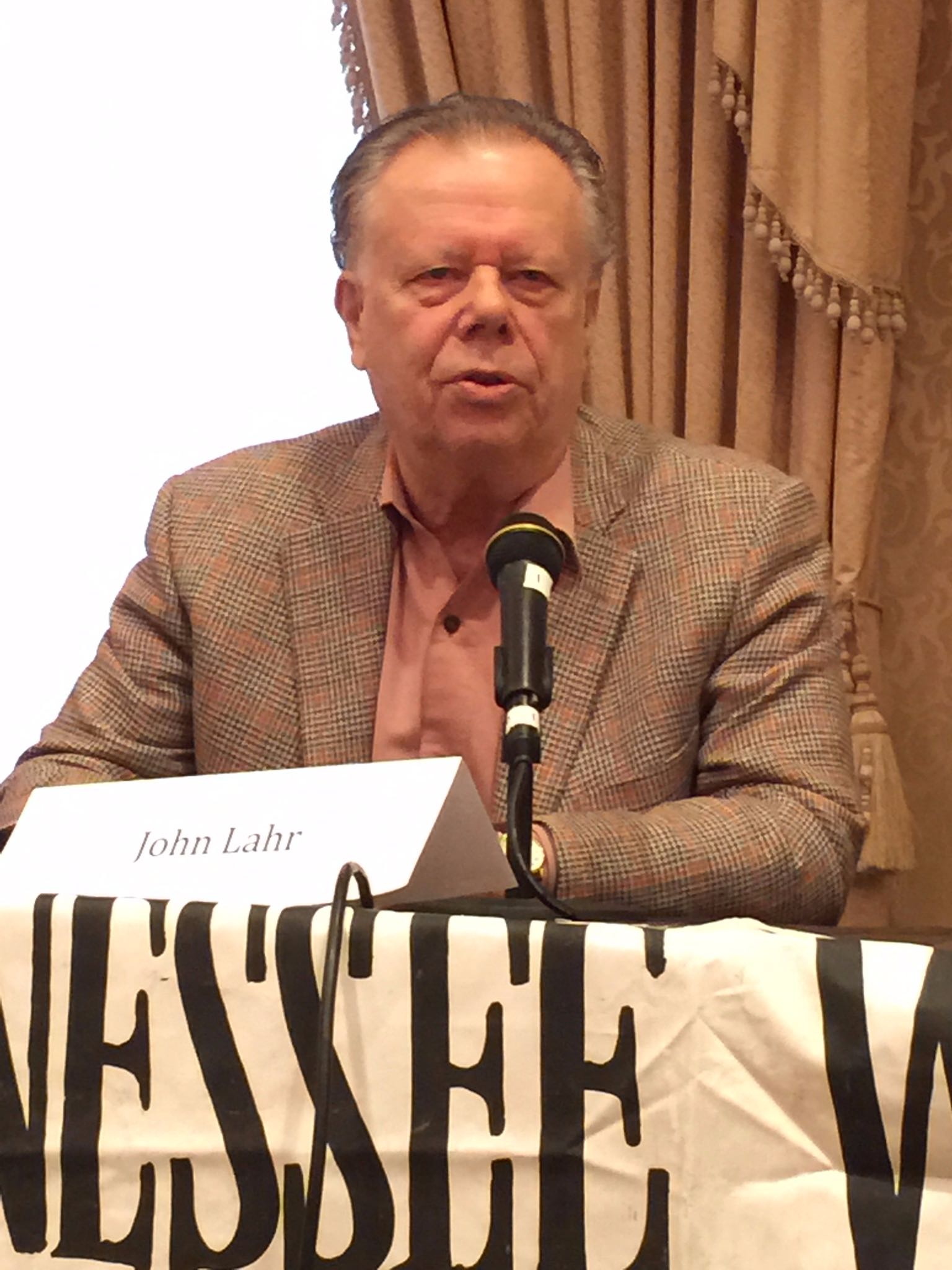 The first featured John Lahr, author of the recent Williams biography, noted above, and Robert Bray, editor of the Tennessee Williams Review and an English professor at Middle Tennessee State University. I had seen Lahr before when he and Martha Lavey discussed his book at Steppenwolf Theatre. This was a much more intense discussion on the writing of the book itself and generated many memorable quotes. Lahr described how his narrative challenge was to cover the public man, the private man and the plays and illustrate how those elements were woven together. Since Williams’ death in 1983, more than 40 books have been published about him. (Most theatrical biographies, Lahr said, involve “a lot of typing and very little writing.”)
The plays were “the interior landscape of my soul,” Williams said. His plays are all ghost stories: spectral and haunted. In his final play, A House Not Meant to Stand, Williams says goodbye to his “repertory company,” made up of his family, his friends and lovers, and himself. The play was produced in 1981-82 at the Goodman Theatre, directed by Gregory Mosher, who tried unsuccessfully to move it to Lincoln Center.
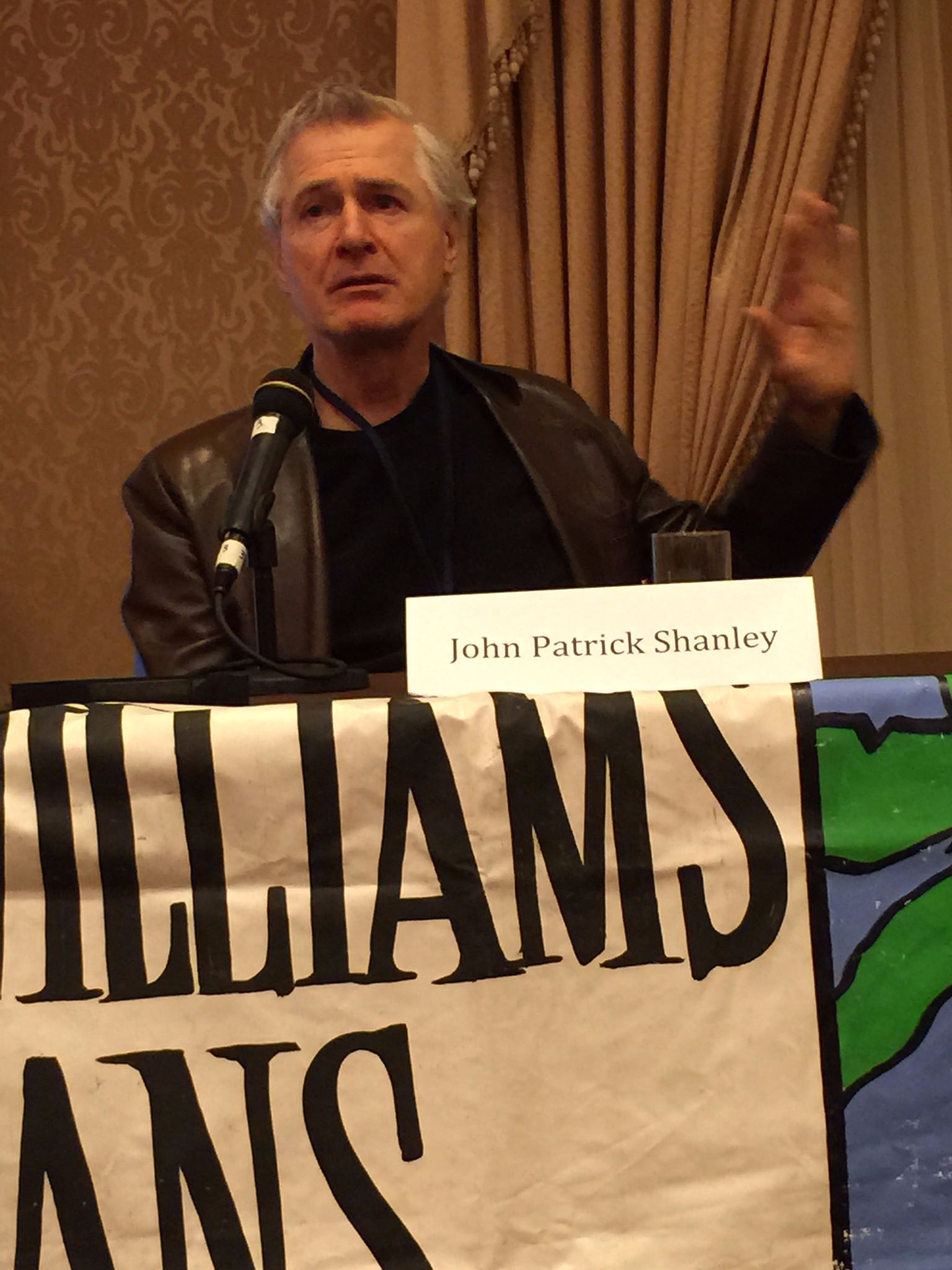 The second Sunday morning discussion was Playwrights from Page to Stage featuring New Orleans native John Biguenet; Dr. Femi Euba, a native of Nigeria whose recent plays have addressed issues related to Hurricane Katrina; and playwright John Patrick Shanley. Moderator Thomas Keith asked each playwright to talk about how his works took shape on paper and then were transformed to the stage. The comments were wide-ranging, humorous and fascinating. Shanley, in particular, is an articulate and charming commentator on his own work and the act and art of writing.
We saw two other plays (neither memorable for different reasons) and some interesting conference sessions. Bryan Batt, New Orleans native, Broadway actor, and formerly Sal Romano in AMC’s Mad Men, talked one day about his life and theater. He now lives and owns a business in New Orleans. Hedy Weiss, theater and dance critic for the Chicago Sun-Times, gave an insightful and well-received keynote address on “Perspectives in Criticism.”
And there was outstanding music, food (including that NOLA special, cold-brewed iced coffee), scenery and people-watching. New Orleans is an amazing city. I’ve been there half a dozen times over the last 25 years for business, vacation and the Jazz and Heritage Festival. I always fall in love with its color and charm all over again.
Photos by Nancy Bishop except where noted.
Three reviews: Classic (or neo) works on stage and screen
Posted: March 13, 2015 Filed under: Movies, Theater | Tags: Antigonick, Endgame, Sideshow Theatre Company, The Hypocrites, The Third Man Leave a comment It’s spring! I knew that for sure today when I decided to get the salt washed off the Beetle and had to wait in line around the block from Bert’s Car Wash on Grand Avenue. It’s a beautiful day and I didn’t mind sitting in the car, listening to a Springsteen album. And now the Beetle is clean. (Of course, to be realistic, it could snow again. And again.)
Despite the weather, I’ve reviewed some excellent plays recently, two of them of classic origin. And I’ve spent time mulling over a remarkable 1949 film, The Third Man. Here’s a recap.
Endgame at The Hypocrites
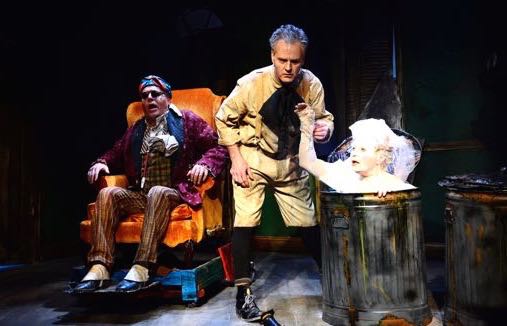 Samuel Beckett’s midcentury play, Endgame, is said to represent the theater of the absurd. And it is absurd. Non-linear, plotless. Very funny in a black humor sort of way. The Hypocrites do a great job of staging it so that the dialog gains meaning and connects to our circumstances today. Here’s how I ended my Gapers Block review:
The 90-minute play is skillfully directed by Halena Kays, carefully following Beckett’s stage directions–to which the playwright demanded full compliance. The performances by all four actors are superb. The festive cabaret atmosphere of the venue makes the black absurdity of the play more profound.
You can see Endgame at The Hypocrites’ new space at the Den Theatre on Milwaukee Avenue through April 4.
Antigonick at Sideshow Theatre Company
 Non-classic or neo-classic? Anne Carson’s contemporary translation or reimagining of Sophocles’ Antigone is witty and the casting is gender-bending. The way double casting is used brings fresh insights to the age-old story of Antigone, her two slain brothers, and King Kreon’s refusal to allow proper burial rites for one of them. Antigone’s opposition to that ruling is dramatized by the words of the Chorus and of Teiresias, the blind prophet. When she tries to get her sister Ismene to help, Ismene reminds her of the tragic family history.
“Wherever we are, think, Sister — father’s daughter. Daughter’s brother. Sister’s mother. Mother’s son. His mother and his wife were one. Our family is double, triple degraded and dirty in every direction. Moreover, we two are alone and we are girls. Girls cannot force their way against men.” And Antigone responds, “Yet I will.”
And the 75-minute production is timed and measured by Nick, a servant who is busy on stage—but wordless—throughout the play.
Staging and performances are excellent in Sideshow’s interpretation of a classic story. You can see it at the Victory Gardens’ upstairs studio theater through April 5. See my review for details.
The Third Man, preferably on a big screen
Carol Reed’s The Third Man is set in Vienna just after the end of World War II. Many critics have called it one of the greatest films ever made and, after watching it half a dozen times recently, and considering all the ingredients that make up a masterpiece, I agree.
The film is noteworthy for its stars—Joseph Cotten, Orson Welles, Alida Valli and Trevor Howard. The plot and characterizations are fascinating but the element that makes it a masterpiece, in my mind, is the black-and-white cinematography and the night-time exteriors of war-torn Vienna. The film is simply gorgeous and I urge you to see it on the biggest screen possible. Do not watch it on your phone! I have a friend who has an eight-foot screen in his living room and that was the best screening I can imagine, short of seeing it on a big screen at an arthouse.
The theme of Chicago Literati‘s current issue is “Cinematique: The Movie Issue.” I submitted an essay on The Third Man, which you can now see on the magazine’s site. I’ll bet that even if you don’t remember the film, you’ll remember the zither music.
Related posts
It’s Oscar time. Love the art, if not the artist. The best films of 2014, according to me, and why it doesn’t matter if you like the character or not.
Foreign films including one featuring The Talking Heads. (Yes, one of my favorite bands.)
A classic play on screen: Ibsen’s The Master Builder translated brilliantly.
 nancy bishop's journal